
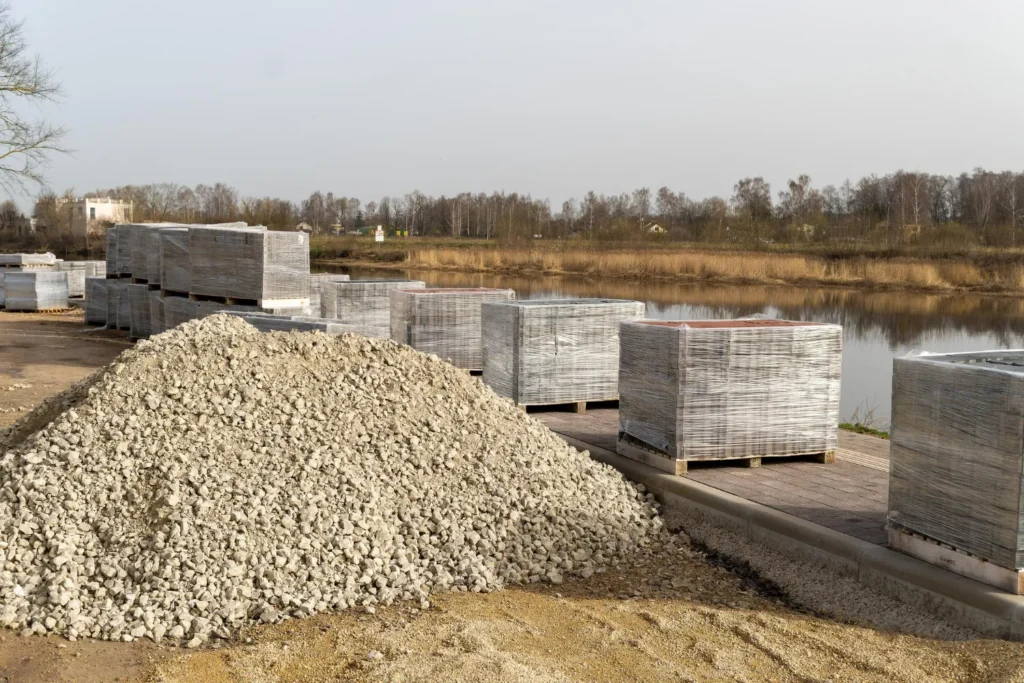
Construction projects are only as strong as the foundation beneath them. Whether you’re building a commercial parking lot, rural access road, industrial yard, or large residential driveway, selecting the right base material plays a critical role in long-term performance.
In Calgary, where weather conditions can fluctuate dramatically throughout the year, using a properly engineered aggregate base helps prevent settling, rutting, drainage problems, and costly repairs. Large aggregate materials are specifically designed to provide stability and support in demanding environments.
Every successful construction project begins with proper site preparation. The base layer serves as the structural support system for everything built above it. If the foundation is weak or improperly compacted, surface materials can shift, crack, or deteriorate prematurely.
Large aggregate products create a stable platform by distributing loads evenly across the subgrade. This reduces pressure points and helps maintain structural integrity under heavy traffic conditions.
One of the primary advantages of larger crushed aggregate is its ability to handle substantial weight. Commercial vehicles, agricultural equipment, and construction machinery place significant stress on roads and work surfaces.
The larger stone structure helps spread these loads more effectively, reducing the risk of deformation and extending the lifespan of the finished surface.
Water is one of the leading causes of road and foundation failures. Poor drainage can lead to erosion, frost heave, soft spots, and instability.
A properly installed aggregate base promotes water movement through the material while maintaining structural support. This drainage capability is especially important in Calgary’s freeze-thaw climate, where trapped moisture can cause extensive damage over time.
Investing in quality aggregate during the construction phase can significantly reduce maintenance expenses in the future. Strong base materials help minimize:
Property owners and contractors often find that spending more attention on the foundation stage results in substantial long-term savings.
Large crushed aggregate is commonly used for:
These applications require materials capable of supporting substantial loads while maintaining stability in varying environmental conditions.
Calgary experiences significant seasonal temperature changes, including freeze-thaw cycles that can affect soil movement and structural performance. Selecting a durable aggregate base helps mitigate these challenges by improving drainage and creating a stronger support layer.
Proper compaction and installation are equally important. Working with experienced aggregate suppliers and contractors can help ensure your project achieves the desired results.
Not all aggregate materials are created equal. Quality, consistency, and proper grading all contribute to project success. When selecting a supplier, consider:
A trusted local supplier can help determine the most appropriate aggregate product based on your project’s requirements and site conditions.
A strong foundation is one of the most important investments in any construction project. Large aggregate base materials provide the strength, stability, and drainage performance needed for roads, driveways, parking areas, and industrial developments throughout Calgary.
By selecting high-quality aggregate and ensuring proper installation, contractors and property owners can improve durability, reduce maintenance costs, and maximize the lifespan of their construction projects.